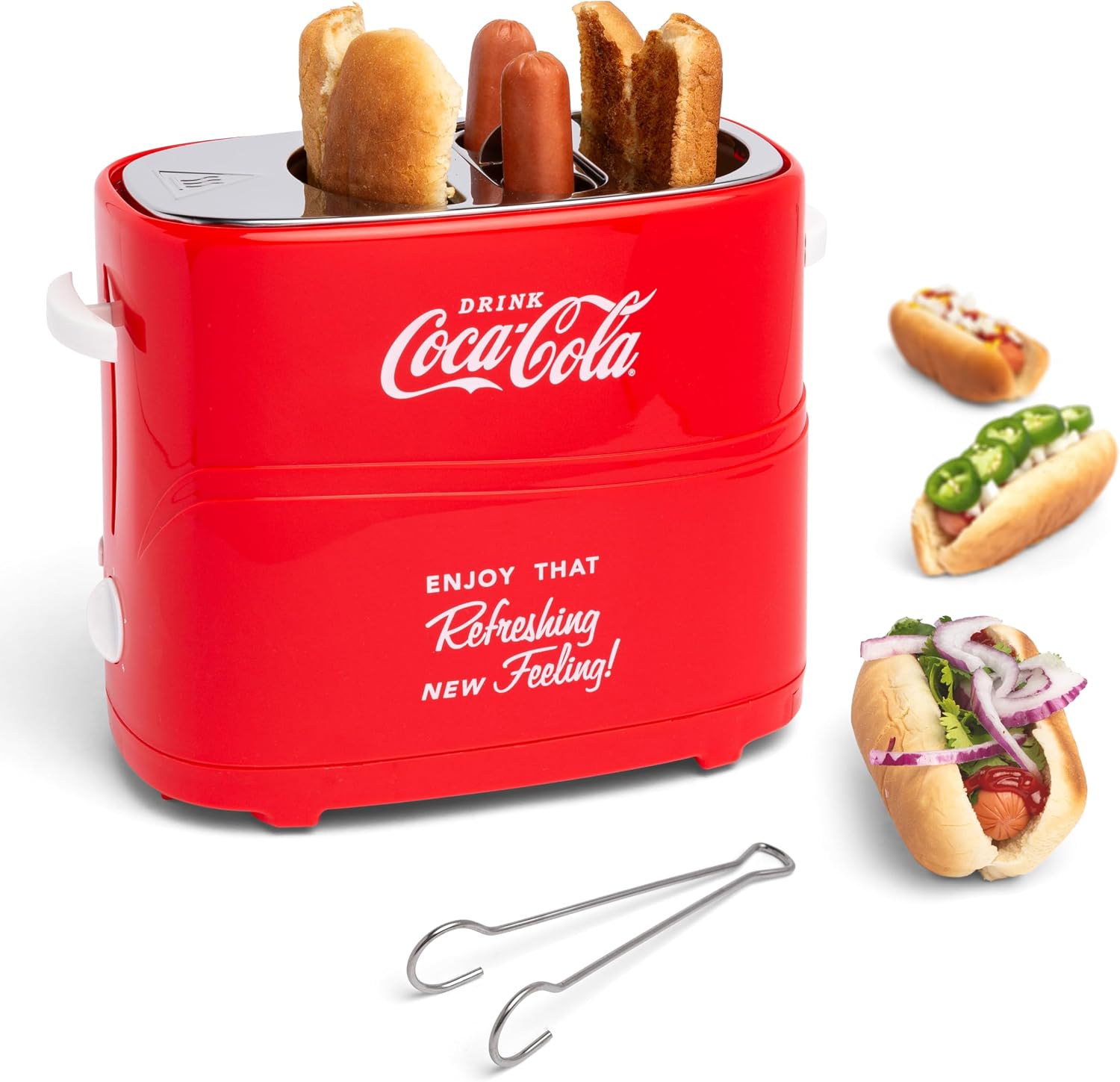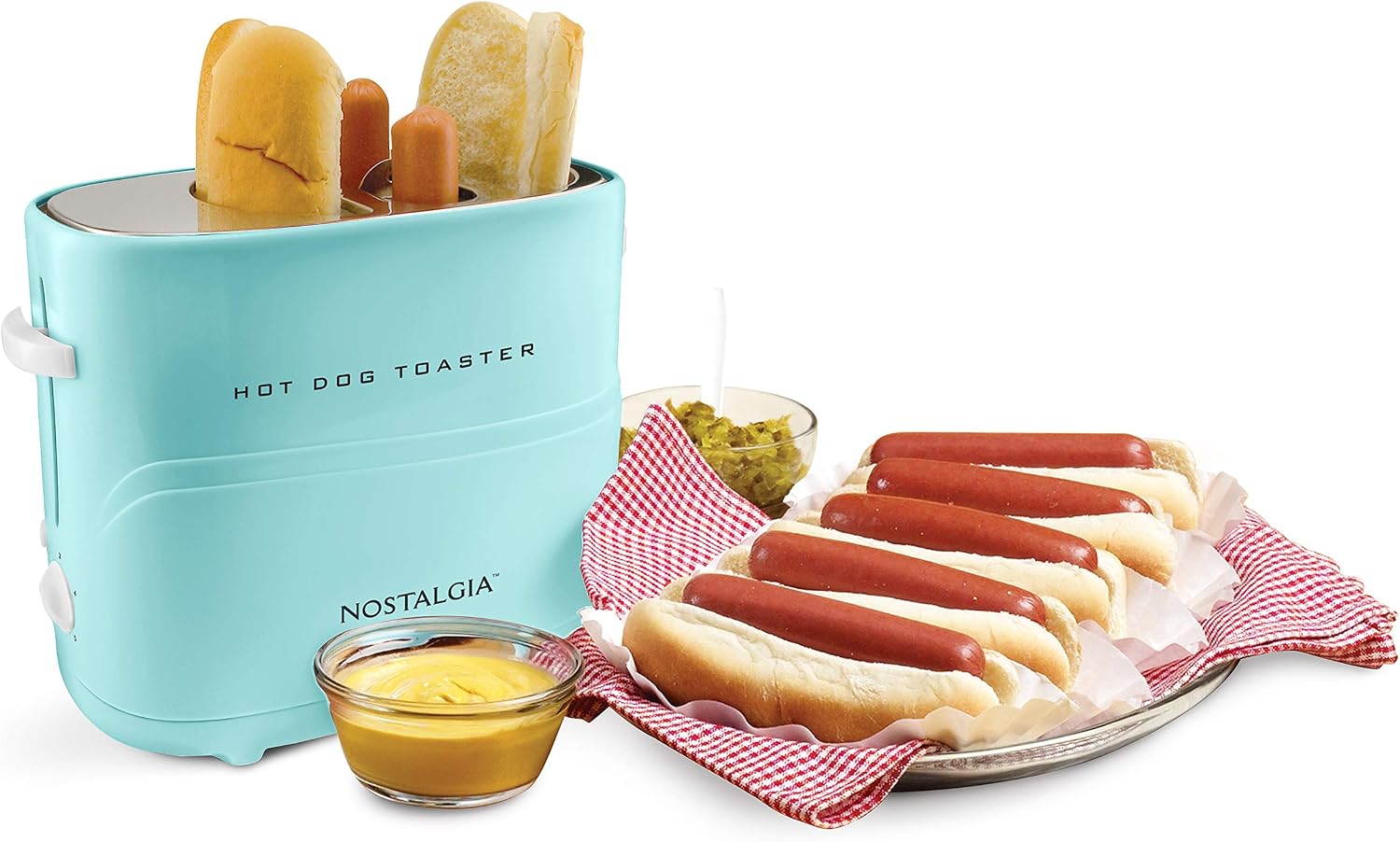
Retro
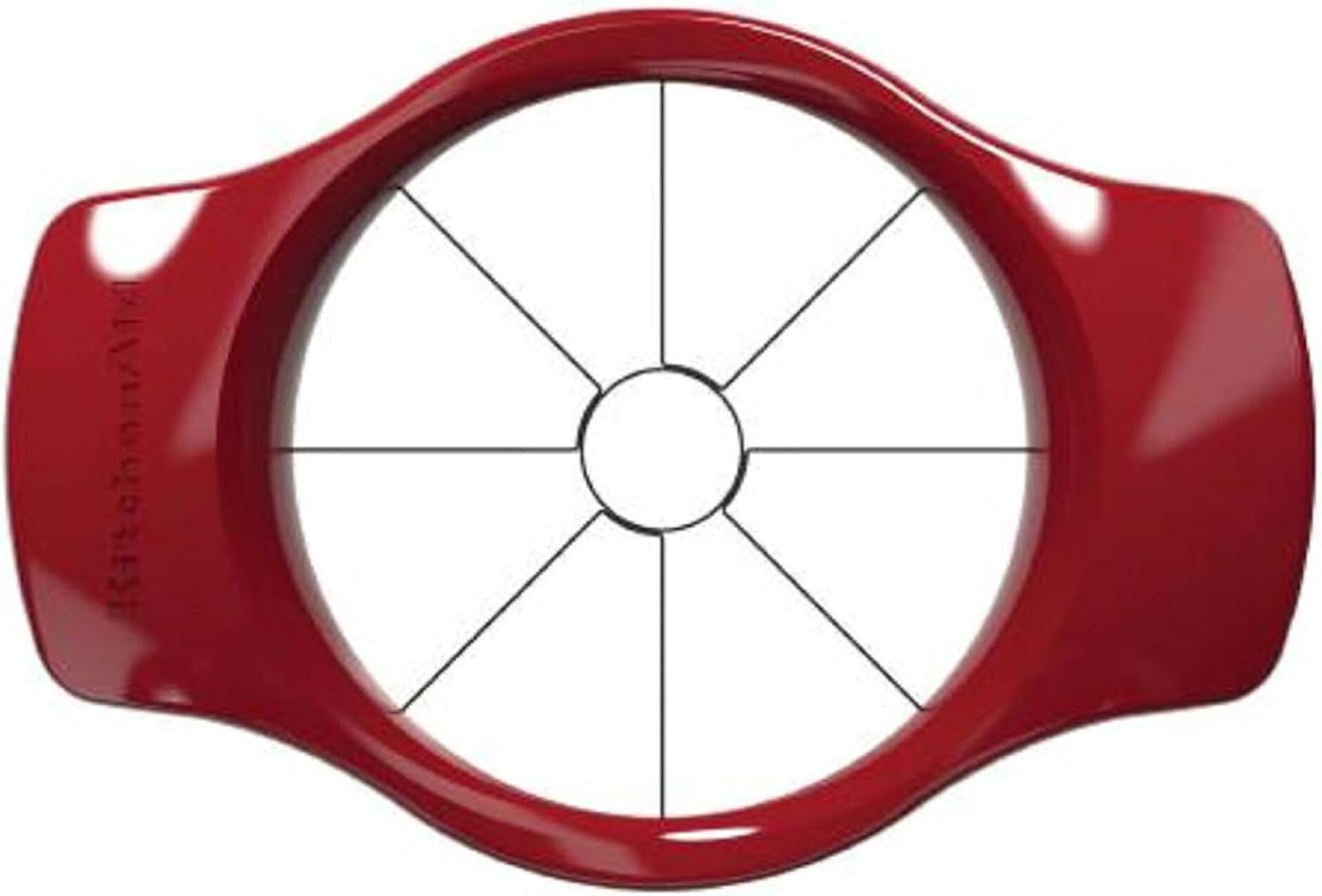
The Kitchenaid Ke305ohera Classic Fruit Slicer
Weird enough to gift. Interesting enough to click. Borderline concerning either way.
Not essential. Deeply necessary for vibes.
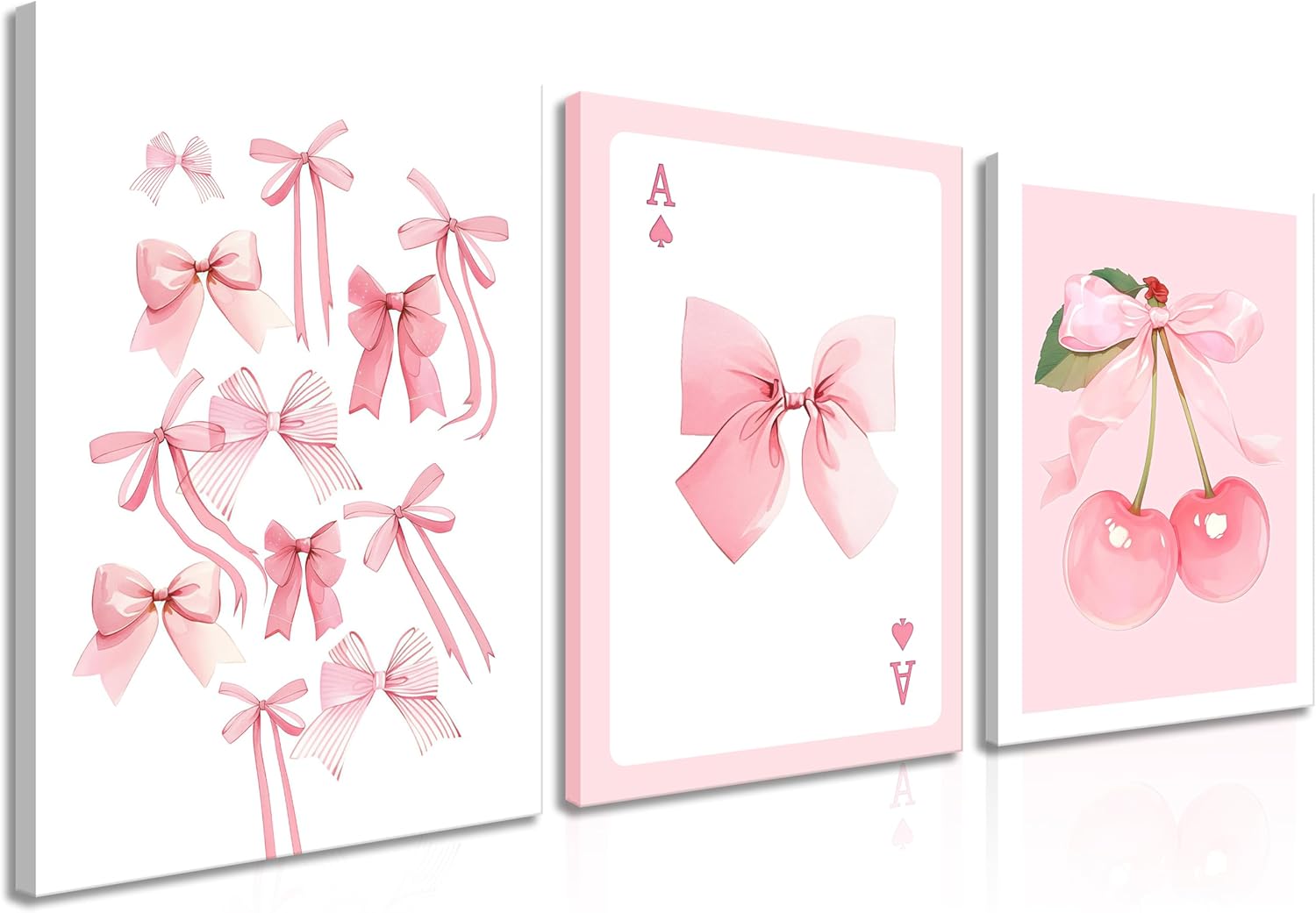
Meet “Trendy Pink Bows Canvas Wall” — weird retro finds energy that stops the scroll the second “Trendy Bows” hits the thumbnail. “Trendy Bows” plus retro is a combo that rarely shows up in boring shopping lists, which is exactly why it lands. The earworm is “Trendy Bows”; the aisle is retro; the next paragraphs unpack the bit without inventing reviews. The static HTML exists so crawlers see the three paragraphs without waiting on JavaScript — SEO with a sense of humor.
Think prop design for everyday life: “Trendy Pink Bows Canvas Wall” is weird retro finds that treats “Trendy Bows” like a stage direction. If the metaphor helps: it’s costume jewelry for your retro routine — shiny concept, confirm details elsewhere. That’s the middle act: vibes, audience sketch, and “Trendy Bows” as the recurring punchline. Should the listing vibe mismatch the joke in your head, that’s fine — curiosity isn’t a purchase order.
Third act, same zany tone: if “Trendy Bows” still entertains, the Amazon page holds photos, specs, and the current price weather. We kept the tone zany on purpose: keyword phrases like weird retro finds and funny retro gift ideas should feel spoken, not stuffed. Mic drop, soft edition: novelty wall energy acknowledged — listing awaiting your own judgment call. The category tag (Retro) keeps SEO honest while “Trendy Bows” keeps the prose odd — keyword-rich without stuffing every noun twice.
Weird enough to gift. Interesting enough to click. Borderline concerning either way.