Holiday
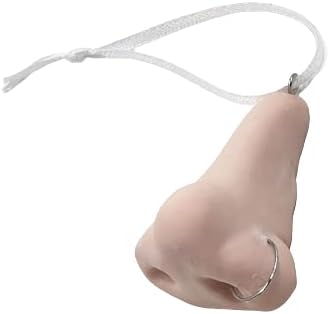
Legendary Fake Nose Ring Ornament a
Amazon algorithm bait that somehow earned a spot in your cart.
Concept first, subtlety never: “Legendary Fake Nose Ring Ornament a” is funny holiday find built on the idea of “Fake Nose”. Distinctive bits like “Ring” keep “Legendary Fake Nose Ring Ornament…” sticky in memory while the category whispers Holiday. Soft double-take complete; if the grin sticks, the Amazon listing has the current look and fine print. People collecting funny Amazon finds tend to bookmark pages where “Fake Nose” collides with a straight-faced product shot.
Strip the hype and you’re left with a Holiday curiosity named “Legendary Fake Nose Ring Ornament…” — equal parts “Fake Nose” and shelf theater. Some shoppers want weird kitchen gadgets; others want desk novelty; this one’s lane is holiday, starring “Ring”. Between funny holiday find and weird holiday gifts, the middle path is observational zaniness with “Legendary Fake Nose Ring Ornament…” as the proper noun glue. Keep scrolling the page for the third paragraph’s soft CTA and more keyword-rich sightseeing.
Keyword wrap without stuffing: weird things to buy, weird holiday gifts, novelty ornament, and the proper name “Legendary Fake Nose Ring Ornament a”. Share hooks on the page point friends at this static URL so the “Fake Nose” joke survives the group-chat half-life. Tour complete. Grin optional. Cart optional. “Fake Nose” forever filed under delightfully unnecessary. Between shop filters and this detail page, “Ring” stays the mnemonic while holiday stays the aisle sign.
Check price on Amazon →
(paid link)
More weird finds
As an Amazon Associate I earn from qualifying purchases.
Confirm price and details on Amazon before buying.
Prices and availability change on Amazon — always confirm on the listing.
(paid link) marks affiliate CTAs.
More from Holiday
Holiday
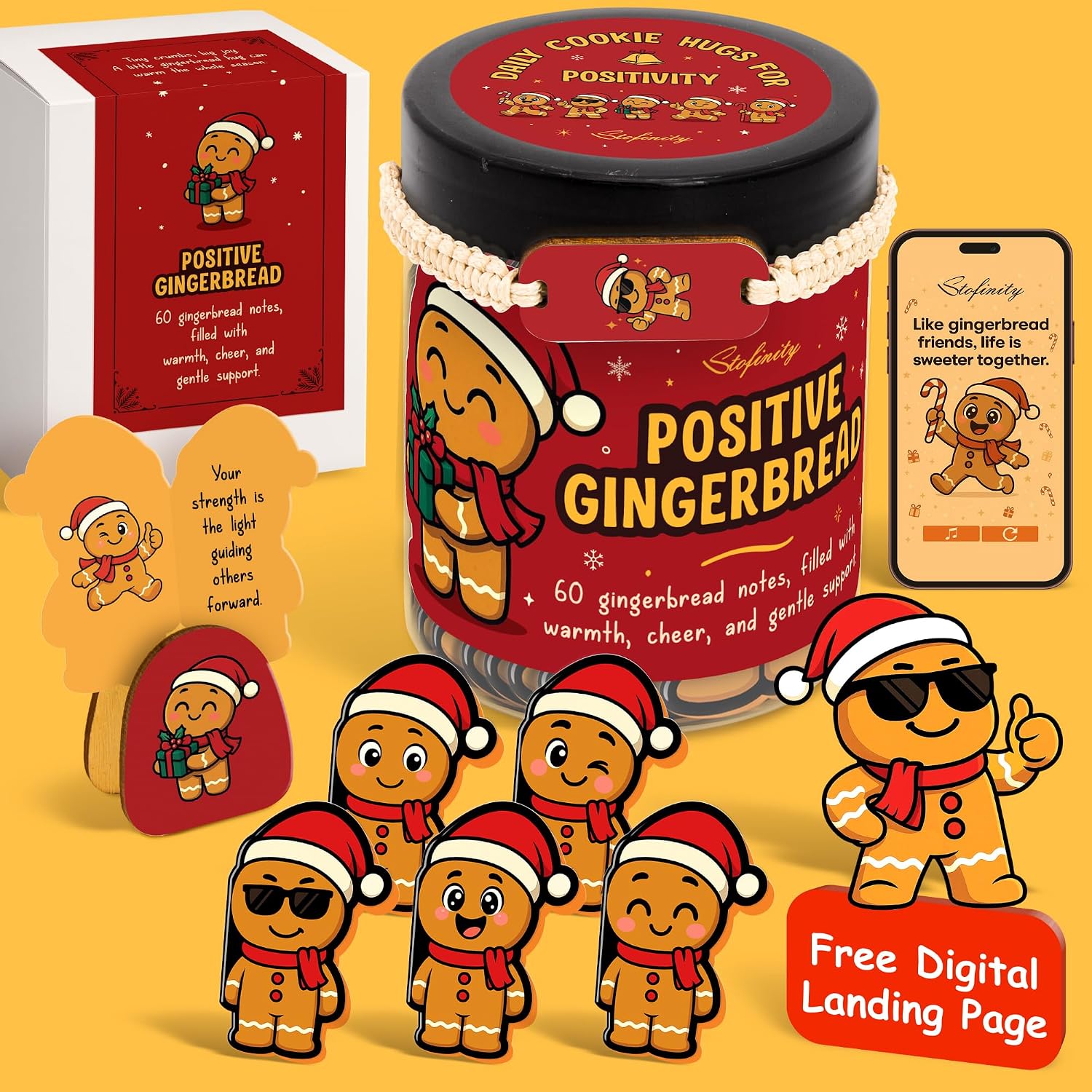
Stofinity Positive Gingerbread Jar 60
Impulse-buy energy with main-character follow-through.