
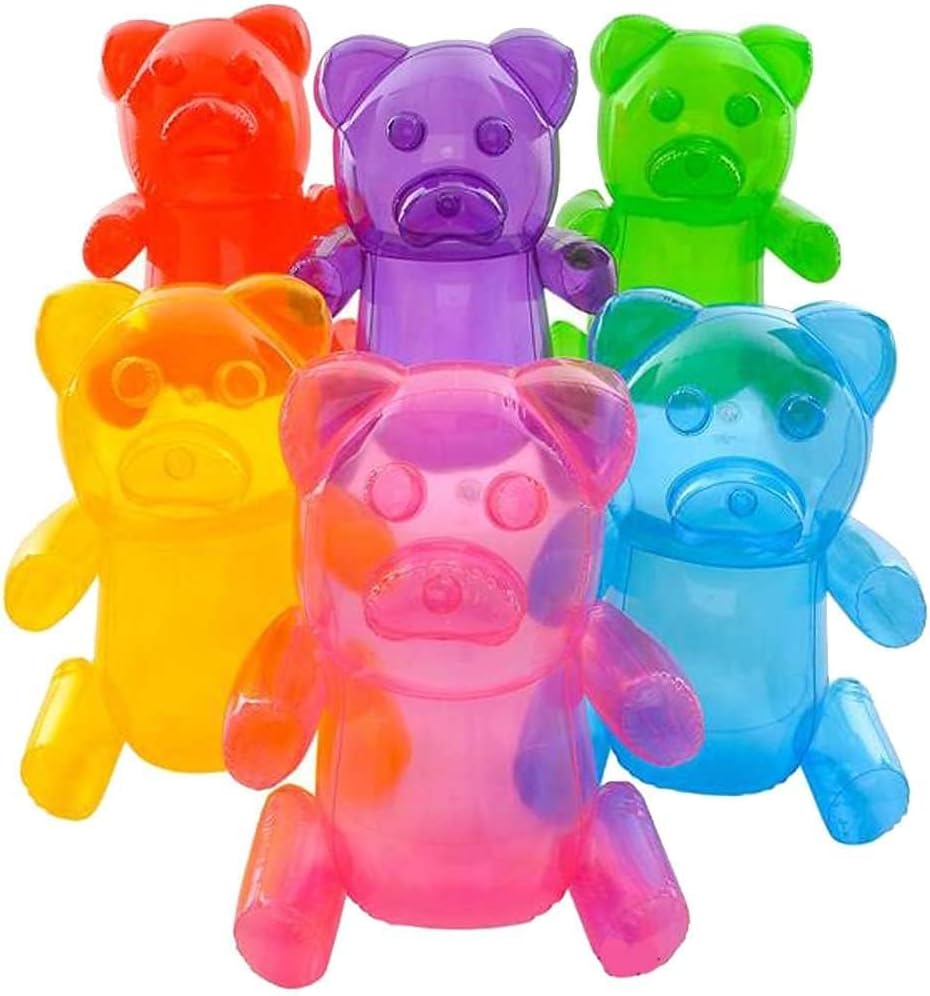
Oversized
Huge Inflatable Gummy Bears Inflates
Amazon algorithm bait that somehow earned a spot in your cart.
Scroll halt incoming: “Huge Inflatable Gummy Bears Inflates” shows up as novelty jumbo Amazon find with serious “Huge Inflatable” theater baked into the title. Distinctive bits like “Gummy” keep “Huge Inflatable Gummy Bears Inflates” sticky in memory while the category whispers Oversized. The wording leans weird things to buy without needing a fake review collage; “Gummy” keeps it searchable and screenshot-friendly. The earworm is “Huge Inflatable”; the aisle is oversized; the next paragraphs unpack the bit without inventing reviews.
Picture a white-elephant table: “Huge Inflatable Gummy Bears Inflates” arrives as novelty jumbo Amazon find, and the “Gummy” bit becomes the table’s plot twist. People collecting funny Amazon finds tend to bookmark pages where “Huge Inflatable” collides with a straight-faced product shot. Still with us? Good — the oddness compounds without turning into keyword soup. Treat the CTA as a door, not a demand; weird things to buy are optional plot twists for your shelves.
Third act, same zany tone: if “Huge Inflatable” still entertains, the Amazon page holds photos, specs, and the current price weather. The static HTML exists so crawlers see the three paragraphs without waiting on JavaScript — SEO with a sense of humor. Curtain. If you came for weird oversized gadgets and funny Amazon finds, you found the bit. When the longer blurb hints that pulled from the weird side of Amazon US, the page echoes that oddness with funny giant gift language instead of inventing reviews.
Check price on Amazon →
(paid link)
More weird finds
As an Amazon Associate I earn from qualifying purchases.
Confirm price and details on Amazon before buying.
Prices and availability change on Amazon — always confirm on the listing.
(paid link) marks affiliate CTAs.
More from Oversized

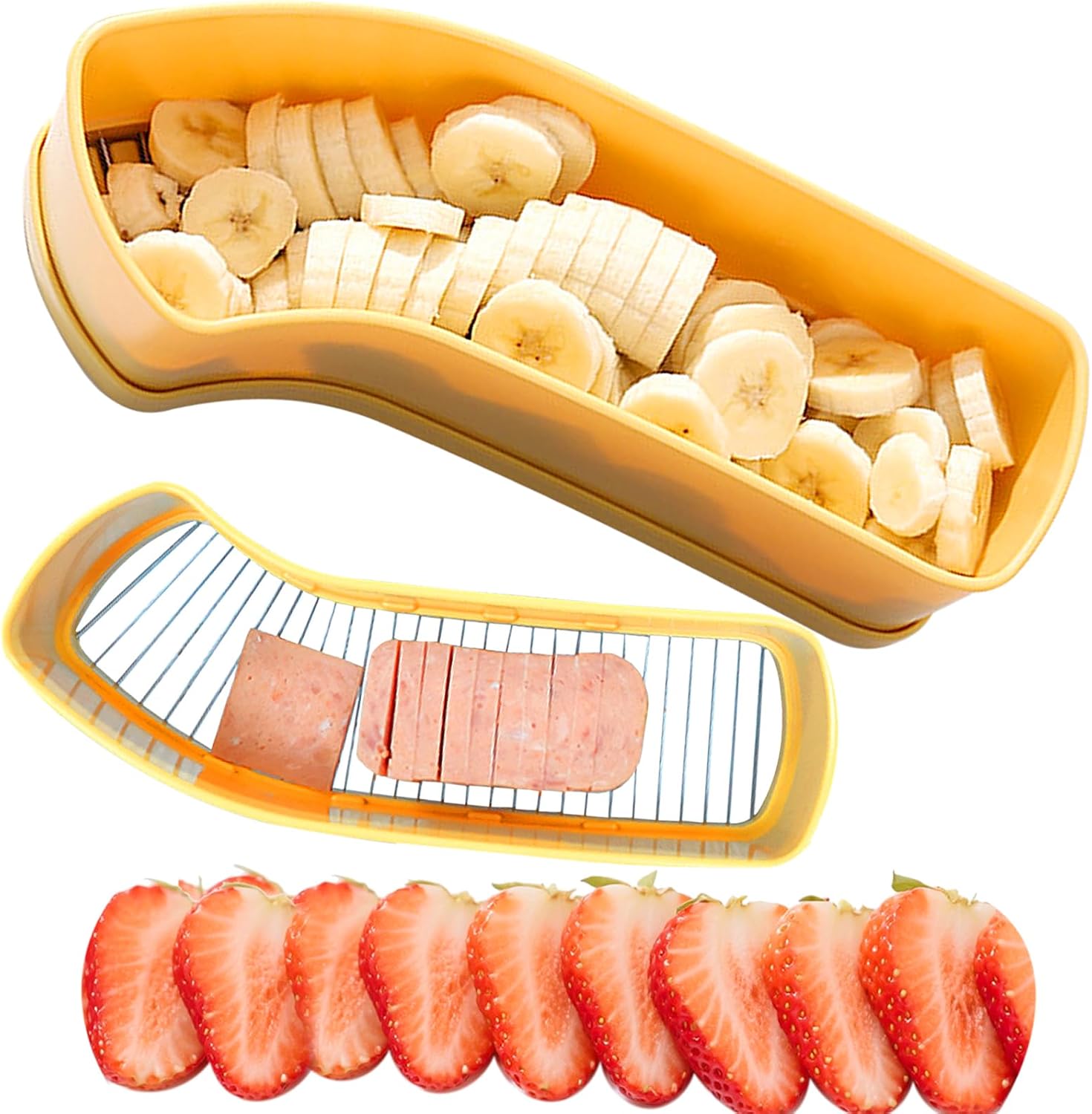
Oversized
Unnecessary Jayvar Extra Large Banana Slicer
For people who want their space to look slightly unhinged.