Kids
Children Role Costume Kids Costume Situation
Impulse-buy energy with main-character follow-through.
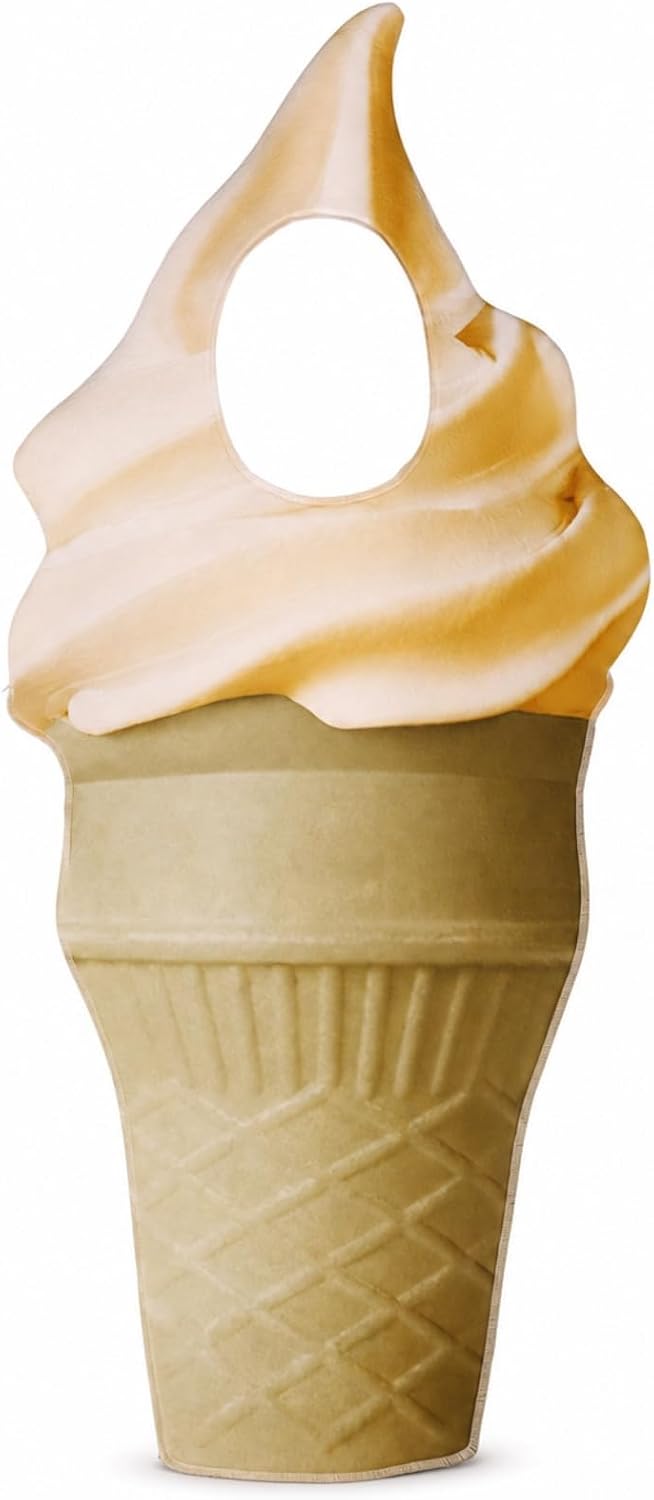
If you type weird things to buy and land on “Children Role Costume Kids Costume Situation”, the “Children Role” fragment explains the pause. Less life-upgrade pitch, more “why does this novelty kids exist?” curiosity — and the name “Children Role Costume Kids Costume…” answers with theater. Think conversation-starter lane more than utility manifesto — especially the “Costume” angle next to the blurb’s soft wink (impulse-buy energy with main-character follow-through). Soft double-take complete; if the grin sticks, the Amazon listing has the current look and fine print.
As a novelty kids specimen, “Children Role Costume Kids Costume Situation” leans observational: look, squint, grin, maybe click — no invented five-star chorus. When the longer blurb hints that if it made us raise an eyebrow, it made the cut, the page echoes that oddness with funny kids gift language instead of inventing reviews. Between funny kids gift and weird kids toys, the middle path is observational zaniness with “Children Role Costume Kids Costume…” as the proper noun glue. Still with us? Good — the oddness compounds without turning into keyword soup.
Affiliate honesty stays on-page: paid-link CTAs, Associates disclosure, and zero fake five-star choruses about “Children Role”. Between shop filters and this detail page, “Costume” stays the mnemonic while kids stays the aisle sign. Mic drop, soft edition: novelty kids energy acknowledged — listing awaiting your own judgment call. Treat the CTA as a door, not a demand; weird things to buy are optional plot twists for your shelves.
Check price on Amazon →
(paid link)
More weird finds
As an Amazon Associate I earn from qualifying purchases.
Confirm price and details on Amazon before buying.
Prices and availability change on Amazon — always confirm on the listing.
(paid link) marks affiliate CTAs.